Easy Turkey Enchiladas

I started making turkey enchiladas many years ago as a way to use up turkey leftovers after Thanksgiving. They are amazingly fast to pull together, meaning you’ll impress family and friends with something that seems complicated but is super-easy (don’t tell!). And these enchiladas are naturally gluten-free.

If you don’t have turkey, substitute leftover chicken. Or make them vegetarian with grilled or roasted vegetables. While I like to do the traditional rolled-up version of enchiladas, sometimes, I substitute what I call an enchilada pie: I layer tortillas, sauce, meat or veggies, and a bit of cheese (sort of like a lasagna). When made like this, the end result reminds me of chilaquiles.

Be prepared to work assembly-line style by having all your ingredients lined up and ready to go before you get started.

A note about store-bought enchilada sauces: to my surprise, many of the sauces I see on market shelves are not gluten-free. In this recipe, I use tomatillo salsa with some green chiles in place of green enchilada sauce — I love how it adds tanginess to the dish. For enchiladas made with a red sauce, I start with my own Red Chile Sauce, adding flavors to suit my mood.
Larb, or Ground Meat Lettuce Cups

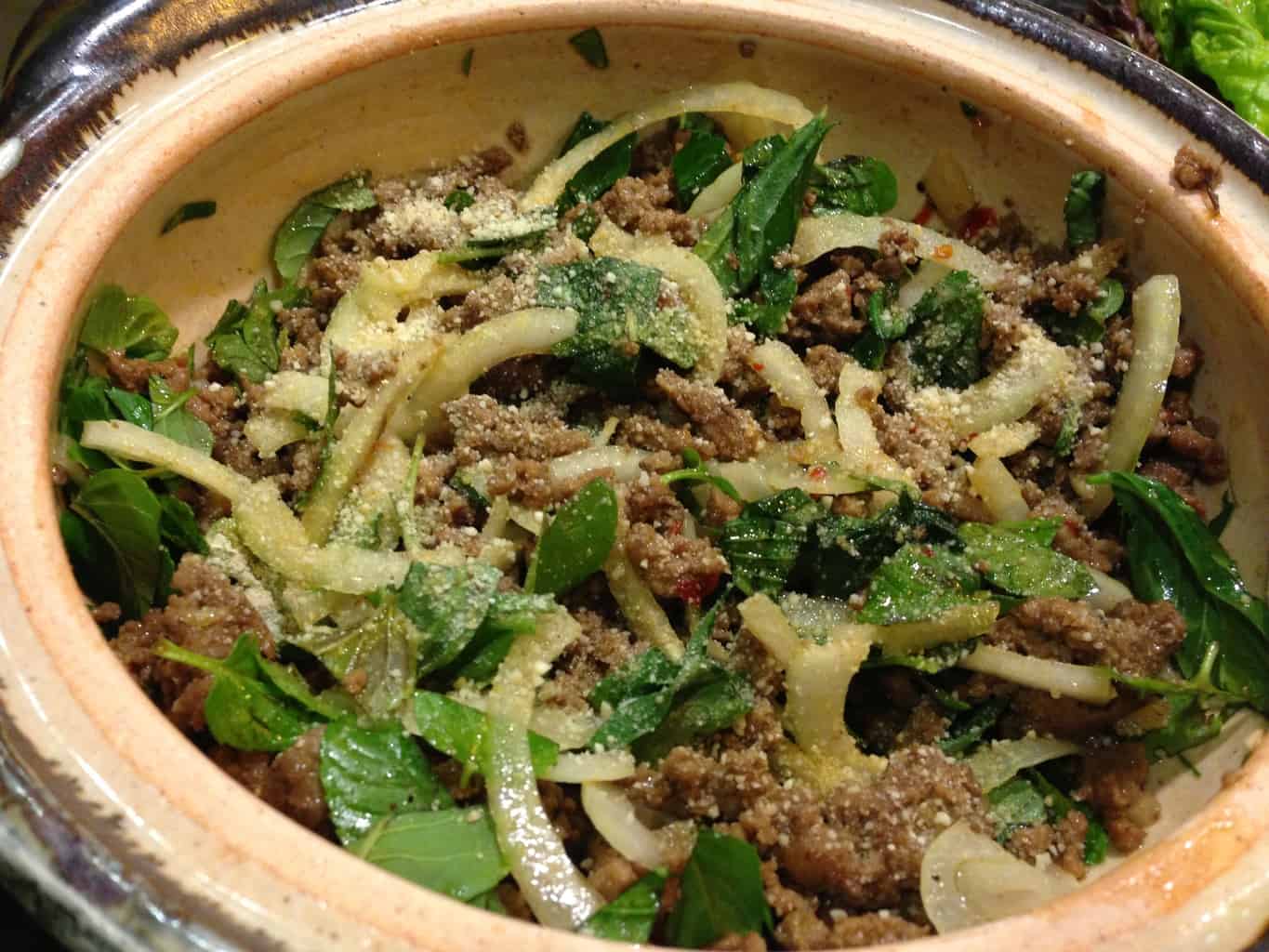
While you may not have heard of larb by that name, you are likely familiar with the variation known as “lettuce cups”. Lettuce cups often feature Chinese flavors while larb tends to be spicier, with flavors of Thailand and Laos.

This ground meat dish features lime juice, fish sauce, chiles, and herbs. You can use any type of ground meat, though chicken seems to be the most traditional. Serve in lettuce cups and make a little extra sauce for spooning over the completed dish if you’d like.

Once interesting ingredient in this dish is ground toasted rice. It can be optional, but the rice powder adds a bit of crunchiness that is surprising, so I suggest going for it. You can toast the rice on the stove, but I prefer the oven method because it’s less hands-on — I do all the other meal prep while the rice is browning away!

Zucchini Fritters

One day, as I was shredding potatoes for hash browns, I had an epiphany. A little one, but an epiphany nonetheless. I realized I needed to squeeze all the excess water out of the potatoes before cooking them. Now, based on what I see on the Internets, *everybody* already knew this somehow. I guessed I missed a memo.

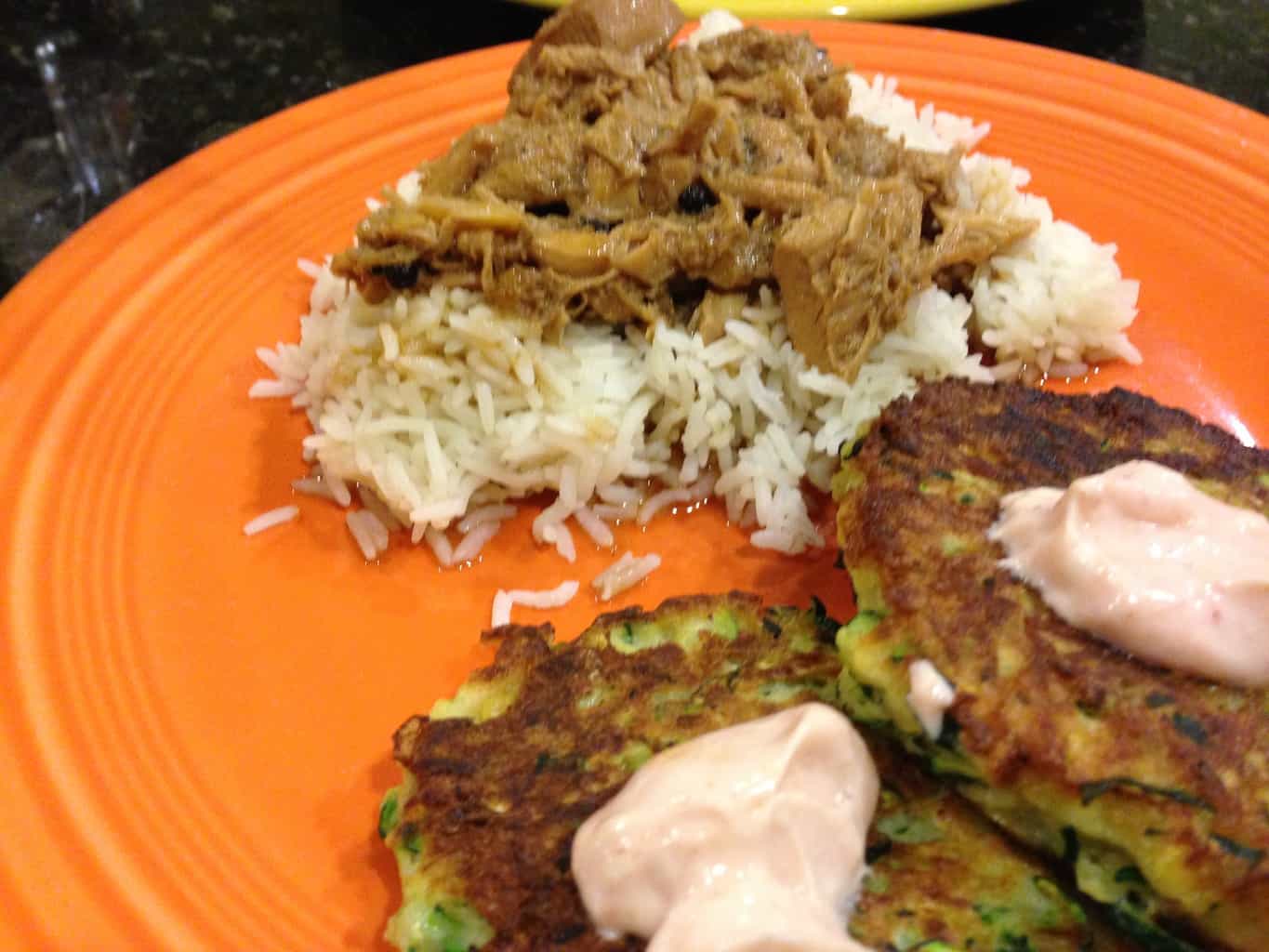
So, putting two and two together — never let it be said that I don’t catch on quickly — I realized I needed to do the same thing for zucchini when making fritters. It is fascinating to discover how much liquid is in a zucchini. And making fritters is a tasty way to make zucchini interesting again. Seriously…it’s been coming on strong all summer, and I don’t think there’s an end in sight!

If you make too many fritters, you can freeze and reheat in the oven. If you’re looking for a party appetizer, make smaller fritters. The best part of this recipe? Nobody will ever know they’re gluten-free. I love delicious recipes that showcase GF-specific ingredients — the lack of gluten doesn’t mean a lack of flavor.

When researching this recipe, I discovered a few recipes featuring freshly grated Parmesan cheese, and one that used feta. I think cheese is always a good idea! Now, given my druthers, I’d go with the feta (and skip any additional salt), but it’s always good to have options. Also, you can make the dipping sauce however you like. I use Greek yogurt all the time, so naturally gravitate in that direction.

Chicken Adobo

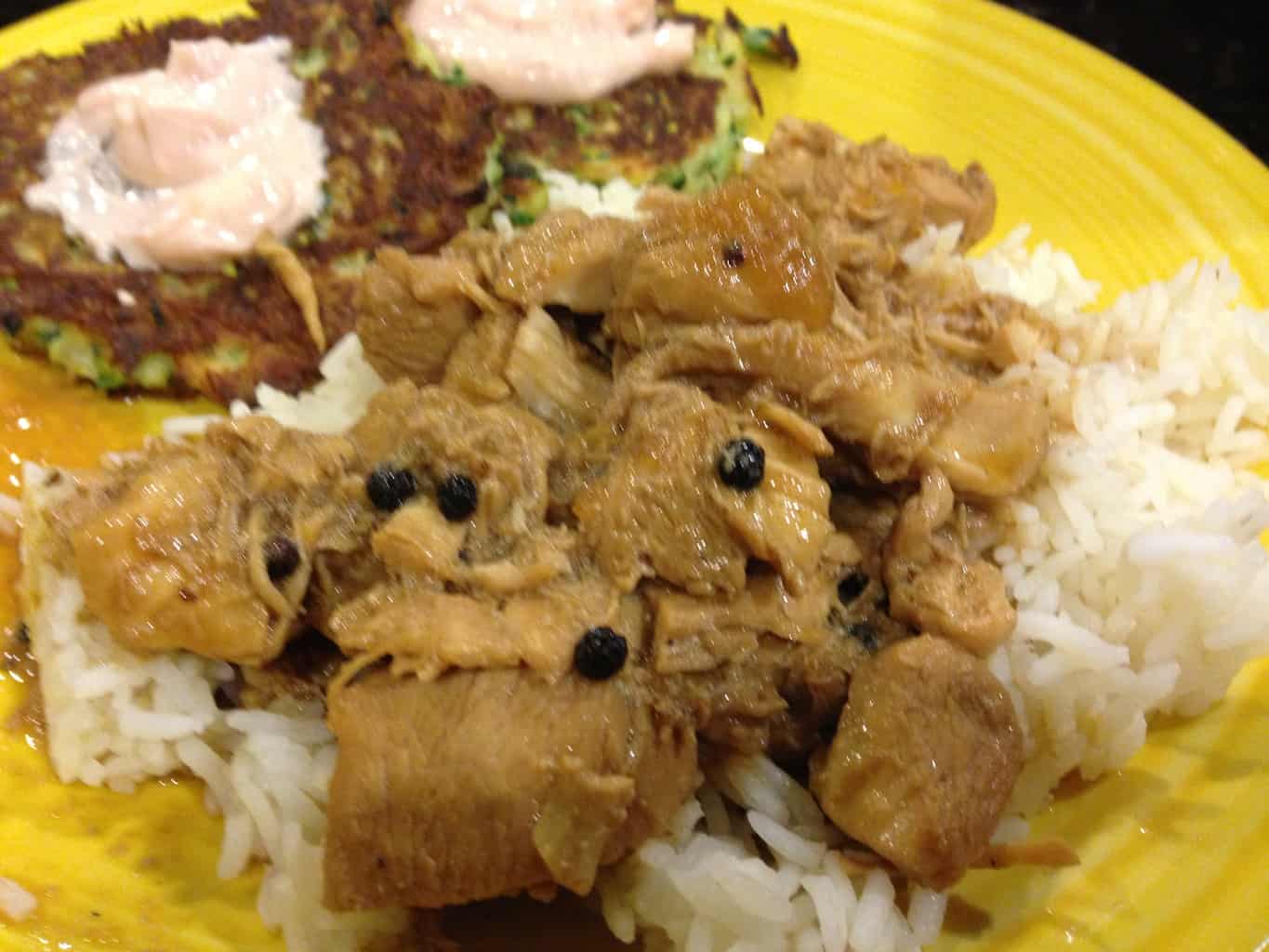
This classic Filipino dish is also a classic chicken dish: chicken, vinegar, rice (and a few other things). A friend who detests vinegar makes an exception for chicken adobo — it reminds him of home.

Traditionally, this recipe is made with bone-in chicken, but I will confess that I’ve used boneless chicken breasts or thighs. This has the effect of making the sauce less rich — the effect of cutting the bone-in chicken into smaller pieces is the release of marrow, the stuff that makes this dish more delicious.

The large amount of vinegar in this recipe creates a tangy sauce. Adjust as necessary (remembering that it’s the vinegar that makes this adobo!) or substitute a mellower vinegar for the white vinegar. Cooking reduces the harsh edges of vinegar, just leaving the tanginess.

Basic Pesto Sauce

Basil is easy to grow, and I love the fragrance. It’s also the key ingredients in one of my favorite pasta toppings: pesto. As you can see from the recipe below, you can quickly throw together pesto using a few ingredients. In addition to making a quick vegetarian meal with pesto and pasta, I love to use pesto in other ways.

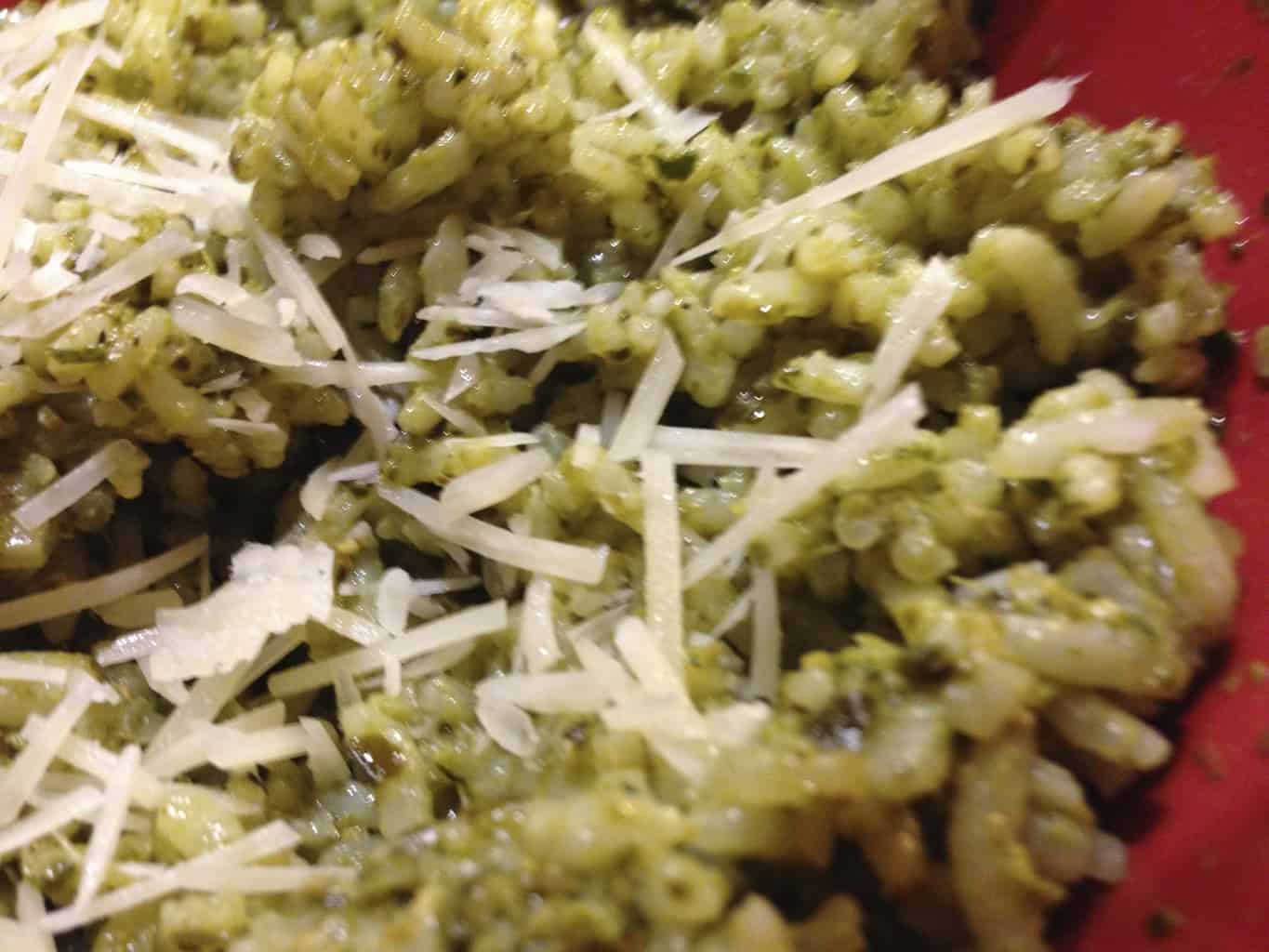
One favorite is as a topping for grilled salmon. Add a bit lemon juice or zest to your pesto and use a few spoonfuls on each serving of salmon. Another fun way to use pesto is mixed with steamed rice. It’s a nice break from ordinary, plain rice, and takes just moments to prepare. Mix pesto to taste into just-cooked rice and serve. Top with a bit of grated Parmesan for additional flavor.

Pesto is also open to new ingredients. You can use artichokes, kale, spinach, or other greens. Swap out the pine nuts for walnuts. Some red pepper flakes can add a bit heat if that’s what you’re looking for.

Rice Pilaf

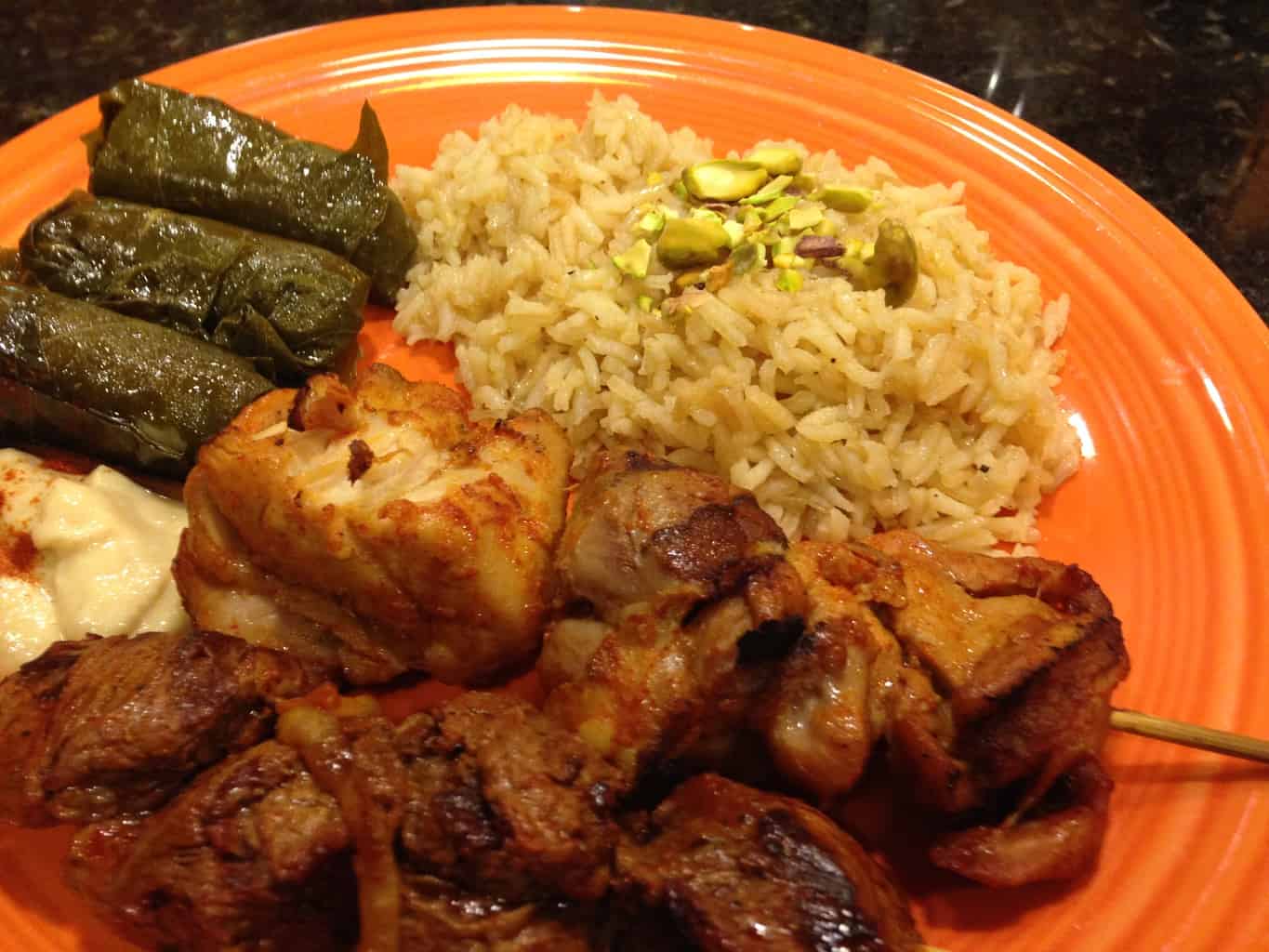
I live in a neighborhood filled with Armenian and Lebanese businesses. Or, as I like to think of it, filled with Armenian and Lebanese food. Falafel (sadly, not available to me as nobody around here makes a gluten-free version), kebabs, hummus (oh, the hummus!), and, of course, rice pilaf. Unfortunately, many of the establishments in my ‘hood cook their pilaf with wheat-based vermicelli, so finding tasty pilaf is a bit tougher than it should be.

Hence, making my own. This recipe is fairly simple, and you can make the rest of the meal while the rice is cooking and resting. I like doing this in the oven, but you can do it on the stovetop if you prefer. I was discussing the recipe via Facebook with a friend; she talked about how her mother made pilaf…and there was no skimping on the butter! I try to be a little more health conscious these days, but do sometimes increase the amount of butter when I make this dish.

Seriously, butter. Use it liberally!

Quinoa and Black Bean Cakes

Quinoa (pronounced keen-wah) is suddenly everywhere. This ancient South American grain is tasty and versatile. It cooks up just like rice*. I find that quinoa absorbs flavor really well, and I really love as a stuffing for squash and peppers.

Quinoa also makes a great vegetarian patty or cake, perfect as a base for Huevos Rancheros or an interesting side dish (maybe topped with a creamy mustard sauce?).  Quinoa and black bean cakes are a great way to use leftover quinoa, with the added bonus of tasty black beans. Adjust the seasonings in this recipe to suit your palate and goals — there is no wrong way to make these!

* Seriously, just like rice — if you’re cooking on your stovetop, it’s 2 cups water or broth to 1 cup quinoa plus seasonings (salt, pepper, cumin, or whatever you like), bring to boil, let simmer for 15 − 20 minutes; if you’re using your rice cooker, follow the manufacturer’s instructions for basic white rice.