Pizza with Chopped Artichoke Hearts, Basil, and Olive Oil

When you’re gluten-free, chances are you can’t take advantage of take-out pizza anymore. Luckily, making pizza at home is fast and easy. Using a gluten-free pizza dough mix makes it even easier. Yes, if you’re so inclined, you can make your own GF mix, but I find having a stash of mix in the cupboard makes my life easier.

Since going gluten-free, I don’t eat a lot of breads, so I don’t keep a lot of GF flours on hand. I rely on a well-stocked pantry for those days when I throw my menu aside and hope there’s something to eat in the house!

Most recipes for pizza are pretty standard: crust topped with sauce, cheese, and meat and veggies. This recipe is a bit different in that in features a this layer of olive oil instead of heavier sauce. This light pizza is perfect in the summer — and if you want to grill it, go ahead. Just make sure your crust is about 1/3-inch thick, and make sure you watch carefully to prevent burning anything!

Gluten-Free Pizza Night!

I am very lucky: my local pizza joint features gluten-free pizza (and they take care to avoid cross-contamination). It’s pretty much the only GF option on the menu, so I’ve made it my mission to inject variety into my pizza experience. Sometimes, the husband joins in the craziness; sometimes, I’m free to experiment with flavors without worrying about his idea of appropriate pizza toppings!

I know I’m doing something right: the staff at my place tell me they order my combinations for themselves…right down to the gluten-free crust.

Truth is, the husband and I were in a bit of a pizza rut before I went gluten-free. We’d found our combination and were loathe to change. Now I attack new flavors like they’re a hobby. Basil? Artichoke hearts (yes, please!)? Fresh ricotta? Sausage? Pesto? Olive oil with light toppings?

And before you starting thinking I’m crazy, let me confess sometimes I head straight for the traditional pepperoni, tomato sauce, and cheese combo. Since I discovered the deliciousness of the America’s Test Kitchen Pizza crust — a labor intensive baking project that’s worth it! — we’ve been making pizza a couple times a month. The husband takes over after I’ve made the crust; he’s a former pizza chef and find my method of saucing to be, well, sub-par compared to the professionals.

Here’s a sort of step-by-step I posted on Facebook that will give you a sense of how this recipe works.

For more on gluten-free pizzas and some topping ideas, see below, and please share your favorite pizza ideas! What is your pizza secret?

Gluten-Free Pizza Combinations

  • Pepperoni and Cheese — Nothing beats this old classic. Punch up a store-bought sauce with red pepper flakes and fresh herbs to add flavor.
  • Artichoke Hearts, Fresh Garlic, and Basil — The first time I had artichoke hearts on a pizza was a revelation. My husband was skeptical, until he took that first bite. Now this is our go-to pizza combination.
  • Pears, Blue Cheese, and Walnuts — Want to impress your friends with a great party dish? This vegetarian pizza also includes caramelized onions and a drizzle or two of balsamic vinegar. Briefly saute thinly sliced pears with the onions before spreading them on a thin pizza crust (go rectangular to mimic a flatbread). A bit of olive oil on a pre-baked crust, pop under the broiler for 10 to 12 minutes. Delicious!
  • Pesto and Ricotta — The staff at my local pizza place go crazy when pizza with fresh ricotta is ordered. There’s a good reason: this creamy, light cheese is amazing on pizza. It melts just enough to be full of flavor, but not so much that it loses its shape. Add some diced pepperoni if you want a bit of meat.
  • Sausage, Fresh Tomatoes, and Sage — I love sausage on pizza. I remove the casings and crumble it up. You can chop fresh tomatoes from the garden and top your pizza with that big summer flavor. Or take a bit of extra time and blister cherry or grape tomatoes cut in half under the broiler for a few minutes. This also dries them out a bit so you don’t get soggy pizza.

Tip of the Week

As I mentioned, the ATK gluten-free pizza crust is labor intensive. I double the batch, and, after cooling, carefully wrap the extra crusts in plastic for using later. In fact, when I’m making pizza on the grill, I find I get better results with the frozen crust than the fresh.

Bonus tip: The ATK recipe calls for almond flour, something I rarely have on hand. Since I almost always have blanched almonds in the cupboard, I make my own flour by grinding my own in an old coffee grinder I keep on hand for this purposes. One note: since I also use this machine for grinding all sorts of spices, I clean it carefully before adding the almonds to avoid weird flavors in my pizza dough!

Menu of the Week
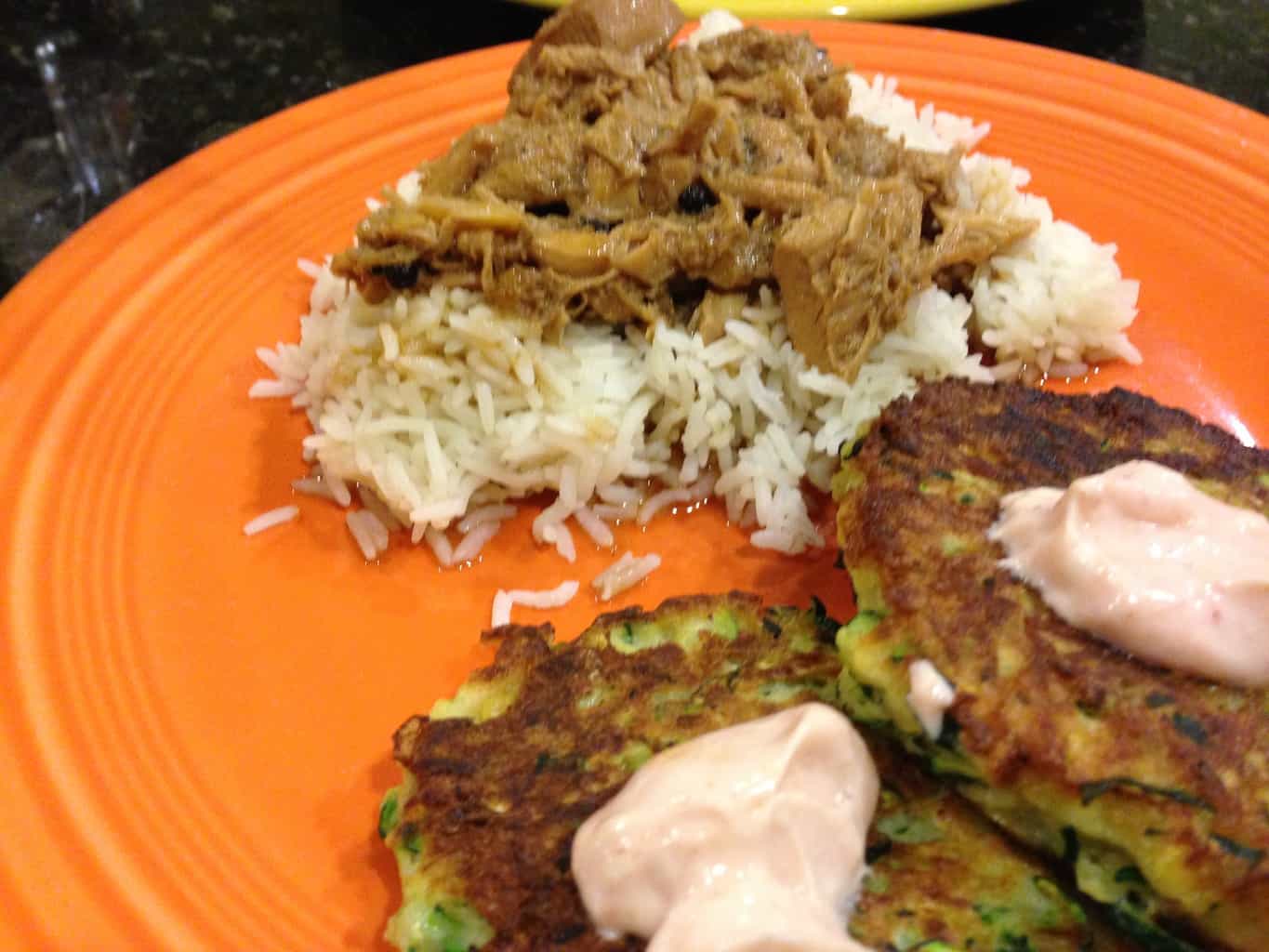
Zucchini Fritters

One day, as I was shredding potatoes for hash browns, I had an epiphany. A little one, but an epiphany nonetheless. I realized I needed to squeeze all the excess water out of the potatoes before cooking them. Now, based on what I see on the Internets, *everybody* already knew this somehow. I guessed I missed a memo.

So, putting two and two together — never let it be said that I don’t catch on quickly — I realized I needed to do the same thing for zucchini when making fritters. It is fascinating to discover how much liquid is in a zucchini. And making fritters is a tasty way to make zucchini interesting again. Seriously…it’s been coming on strong all summer, and I don’t think there’s an end in sight!

If you make too many fritters, you can freeze and reheat in the oven. If you’re looking for a party appetizer, make smaller fritters. The best part of this recipe? Nobody will ever know they’re gluten-free. I love delicious recipes that showcase GF-specific ingredients — the lack of gluten doesn’t mean a lack of flavor.

When researching this recipe, I discovered a few recipes featuring freshly grated Parmesan cheese, and one that used feta. I think cheese is always a good idea! Now, given my druthers, I’d go with the feta (and skip any additional salt), but it’s always good to have options. Also, you can make the dipping sauce however you like. I use Greek yogurt all the time, so naturally gravitate in that direction.

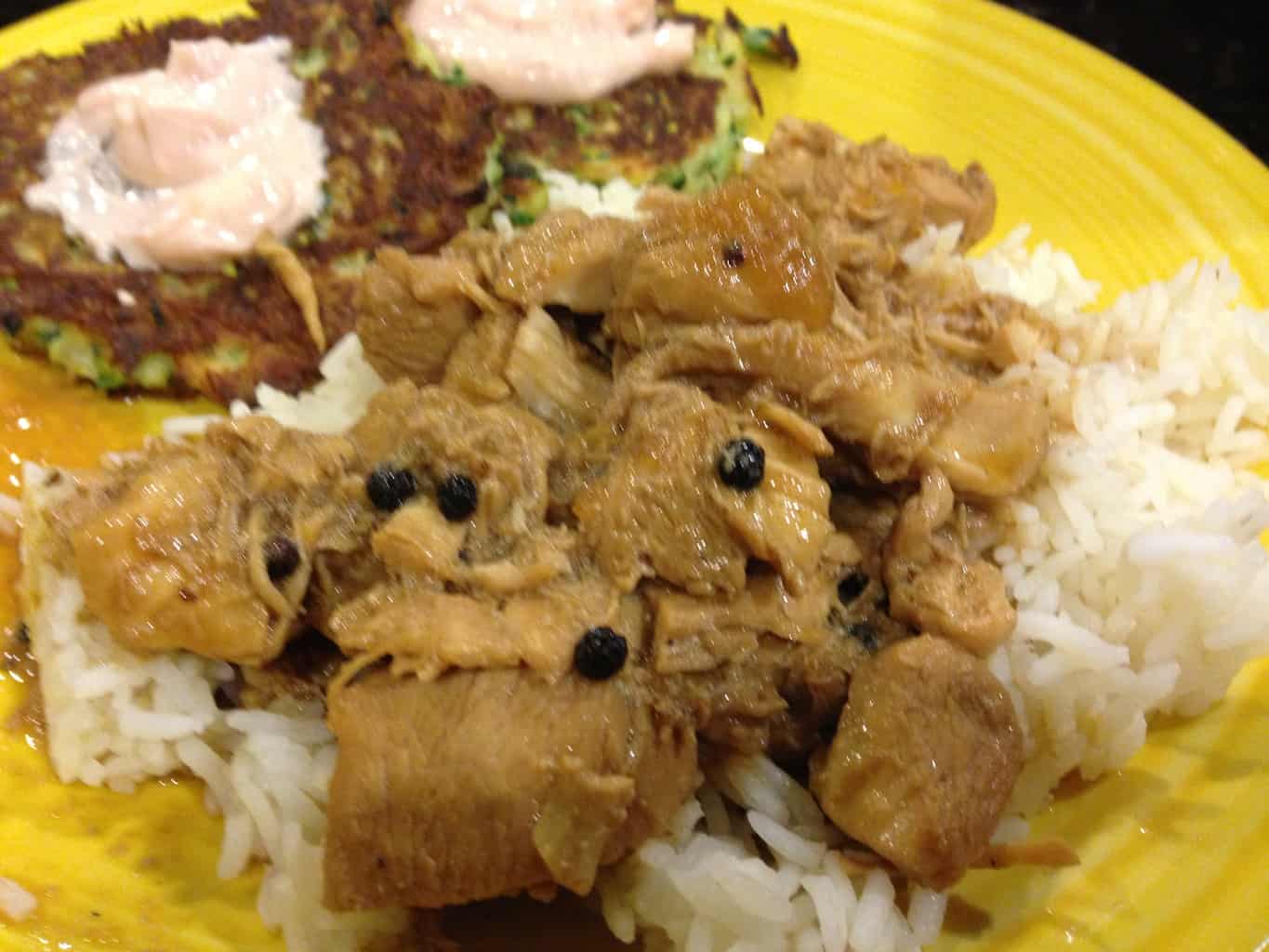
Chicken Adobo

This classic Filipino dish is also a classic chicken dish: chicken, vinegar, rice (and a few other things). A friend who detests vinegar makes an exception for chicken adobo — it reminds him of home.

Traditionally, this recipe is made with bone-in chicken, but I will confess that I’ve used boneless chicken breasts or thighs. This has the effect of making the sauce less rich — the effect of cutting the bone-in chicken into smaller pieces is the release of marrow, the stuff that makes this dish more delicious.

The large amount of vinegar in this recipe creates a tangy sauce. Adjust as necessary (remembering that it’s the vinegar that makes this adobo!) or substitute a mellower vinegar for the white vinegar. Cooking reduces the harsh edges of vinegar, just leaving the tanginess.

Basic Pesto Sauce

Basil is easy to grow, and I love the fragrance. It’s also the key ingredients in one of my favorite pasta toppings: pesto. As you can see from the recipe below, you can quickly throw together pesto using a few ingredients. In addition to making a quick vegetarian meal with pesto and pasta, I love to use pesto in other ways.

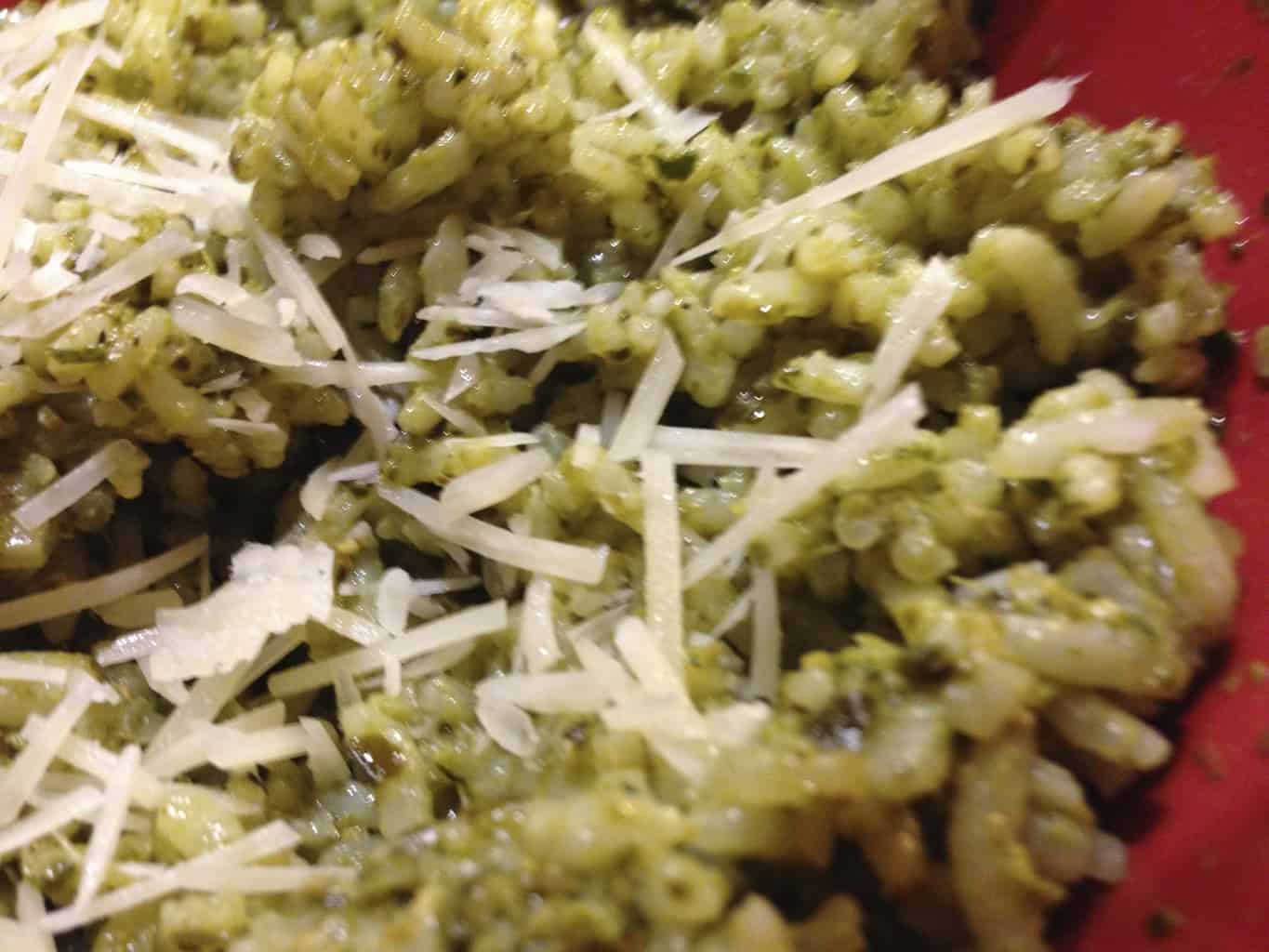
One favorite is as a topping for grilled salmon. Add a bit lemon juice or zest to your pesto and use a few spoonfuls on each serving of salmon. Another fun way to use pesto is mixed with steamed rice. It’s a nice break from ordinary, plain rice, and takes just moments to prepare. Mix pesto to taste into just-cooked rice and serve. Top with a bit of grated Parmesan for additional flavor.

Pesto is also open to new ingredients. You can use artichokes, kale, spinach, or other greens. Swap out the pine nuts for walnuts. Some red pepper flakes can add a bit heat if that’s what you’re looking for.

Miso-Sesame Salad Dressing

Despite the fact that two strong flavors are used in this dressing, it doesn’t overpower salads (though I do advising keeping the salad simple). I always have miso in my refrigerator, so this comes together in a few minutes. While I like cheese on my salad as much as the next person, I think it doesn’t work with this dressing — plus it increases the saltiness a bit too much.

While I’ve never encountered miso that isn’t gluten-free, do check labels carefully!

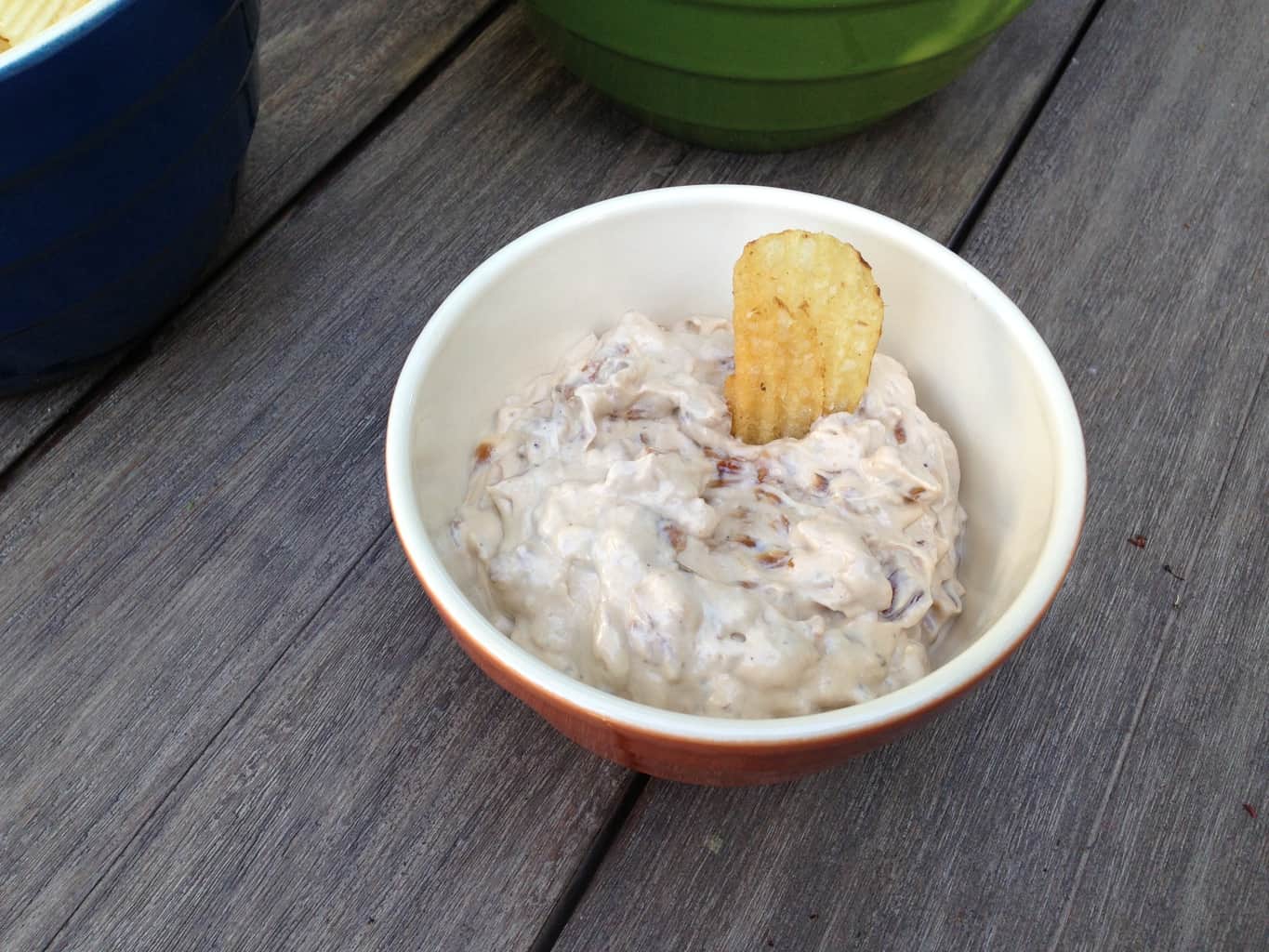
Caramelized Onion Dip

For a few years, I had the nutty idea that healthy appetizers should be served at parties. I slipped them in alongside chips and dips. It sorta worked…the chips and dip always disappeared, and, yes, people went for the carrots and celery. Because they were even better covered in onion dip.

Since commercial dried onion soup mixes can contain gluten (as of this writing, it contains a barley product), I had to come up with my own recipe. Luckily, there’s nothing I enjoy more than letting onions caramelize on the stove while I’m making other foods for a party. This recipe makes a good amount of dip — adjust ingredients to fit the number of people you’re feeding.

And don’t be surprised to find every bit of it gone by the end of the evening!