I am going to introduce a controversial topic here: my favorite condiment.
I won’t keep you guessing. I love mustard beyond all reason. My refrigerator is an embarrassment of mustard styles. Except honey mustard. I don’t understand the concept of honey mustard. Heck, I’m teetering on the edge of making my own mustard (someone, anyone, push me!).
For the record, I am not a ketchup fan. I wouldn’t even have the stuff in my house if it weren’t for the sake of maintaining a happy marriage. Someone I married a dude who reflexively ketchups just about potato item he sees. To each his own, I suppose.
In addition to the tangy heat mustard naturally has, it’s a low-calorie condiment. Unlike, oh mayo, a condiment I’ve been learning to love in moderation. And, of course, unless things have gone horribly wrong, mustard is gluten free, making it something you can trust in your kitchen.
Here are some ideas for incorporating mustard into your cooking repertoire (though I’d be remiss if I didn’t say that one of my favorite party dishes is sausage with a mustard dip):
- Barbecue Sauce: Yeah, I love my mustard in barbecue sauces. I’m not alone. Use this sauce on everything. Literally. Everything.
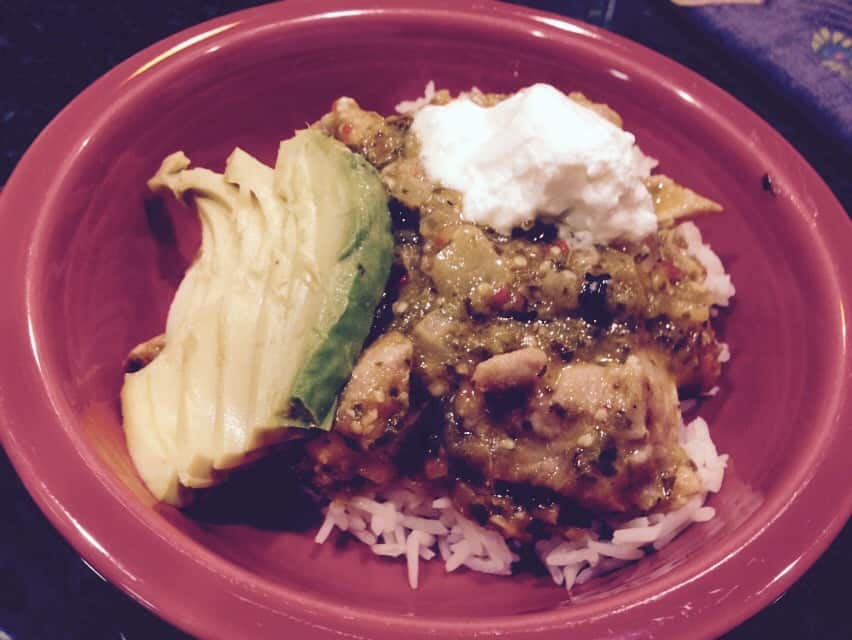
- Braised Dishes: I love to braise chicken in a mustard sauce. Even more than enjoying the sauce with that night’s dinner, I love having leftover sauce for lunches. This is a perfect comfort food dish. Serve the chicken over rice, potatoes, or quinoa.
- Cream Sauces: The chicken dish above is essentially a cream sauce, but what about other cream(y) sauces? Like, oh, this delicious sounding egg dish with mustard-creamed spinach. Skip the breadcrumb topping unless you have gluten-free crumbs handy (I keep the ends from Udi’s loaves in freezer to make breadcrumbs on the fly).
- Marinade: Dry mustard, Dijon, or even a traditional yellow mustard are perfect additions to marinades. Pork, fish, and chicken are perfect candidates for mustard-based marinades. I’ve even made lamb chops this way.
- Mashed Potatoes: Oh yeah! Is there a reason why you shouldn’t add mustard to your mashed potatoes? No, not a single one.
- Meat Rub or Glaze: Of course, you know the fun of including dry mustard in your spice rubs. But what I love is using it as a coating for pork chops or salmon. If you’re breading your pork chops, incorporate the mustard into base layer.
- Potato Salad: My favorite potato salad features a tangy mustard-based vinaigrette instead of a creamy mayonnaise dressing (you could add a bit of mayo or Greek yogurt if you like that creaminess). The warm potatoes absorb lots of flavor from the vinaigrette, so be sure to reserve some for tossing with the potatoes right before serving. Needless to say, a grainy Dijon is perfect here!
- Stews: I add mustard to crockpot dishes like braised beef or pork. Again, the tanginess enhances flavors. When I make a beef stew, mustard is one of my secret ingredients.
- Veggie Flavor Enhancer: Mustard can be used in many ways to amp up the flavor of vegetables. It’s great with Brussels sprouts, and, confession, I’d probably mix up my own honey mustard for roasted Brussels sprouts. Or, if I weren’t in a sweet mood, this recipe from Michael Symon would do the trick.
What are your favorite ways to use mustard? Tell me!
Tip of the Week
Mustard, due to the vinegar used to make it, lasts a good long time (well, beyond the “enjoy by” date given by manufacturers). You can store an unopened container in your pantry for about a year. Store opened containers in the refrigerator for about a year. Do not use mustard where the liquid has significantly separated from the other ingredients or mustard, gone dark, and/or that smells “off”.
Menu of the Week
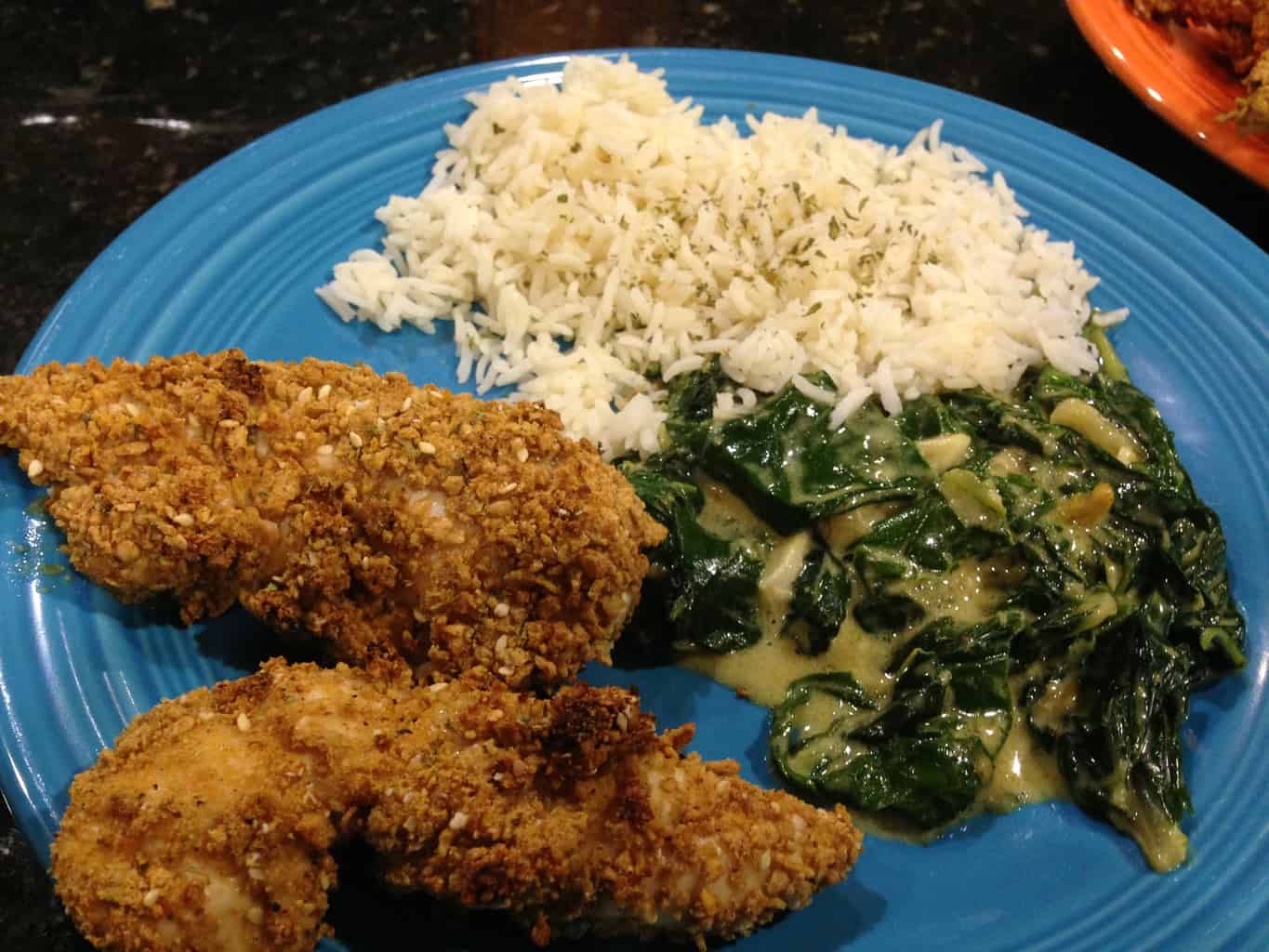
Of course, this week’s menu features lots of mustard! The chicken in the Dijon sauce is a favorite of mine — you can customize the dish for any style of chicken you like. It also makes incredible leftovers. Spoon a bit of the sauce over rice and make your mouth happy!
The addition of mustard to the creamed spinach amps up the flavor — bitter greens are greatly enhanced with a bit of mustard. I prefer to use coconut milk instead of the traditional cream because I like the subtle sweetness it brings to a dish.
- Chicken with Dijon Sauce
- Mustard-Coconut Milk Creamed Spinach
- Rice or Potatoes for Absorbing Extra Sauce